Pediatric Cataracts
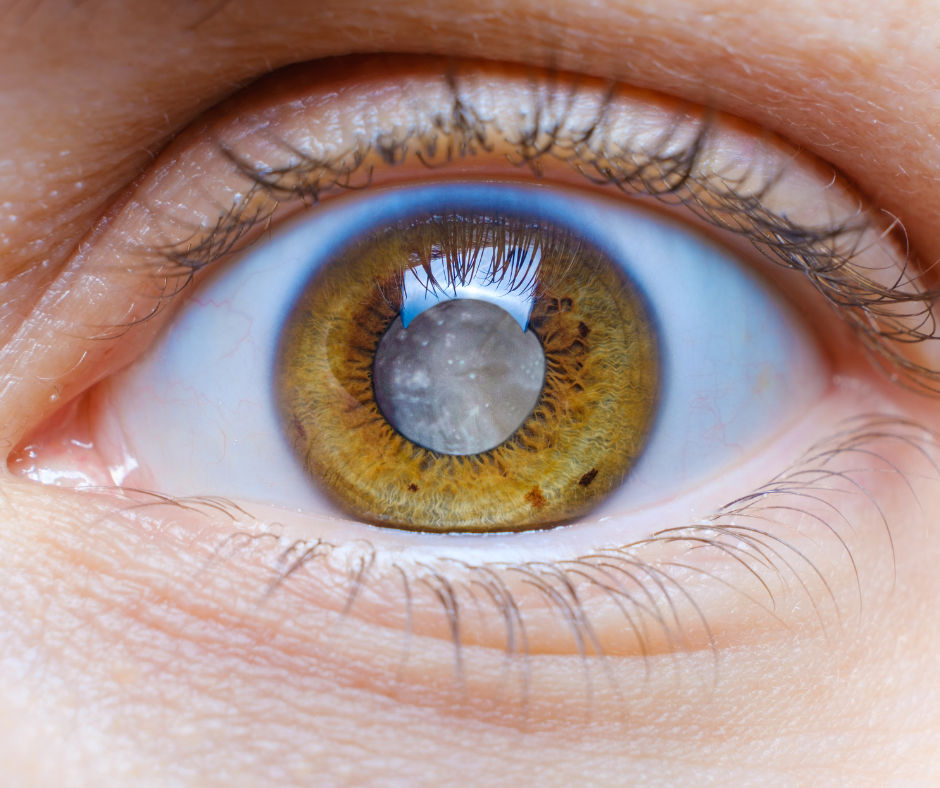
A cataract is a clouding of the eye’s natural lens. The lens is located behind the colored part of the eye and helps focus light so the brain can form a clear image. When the lens becomes cloudy, light cannot pass through the eye properly, which may cause blurred or reduced vision. Although cataracts are most commonly associated with aging, babies and children can also develop them. Some children are born with a cataract, while others develop one later in childhood due to an eye injury, certain medical conditions, medications, inflammation, or genetic factors. In some cases, the exact cause is unknown.
Signs of a Cataract in Children
A pediatric cataract may affect one or both eyes. Because young children may not be able to explain what they are seeing, parents may notice signs such as:
● A white, gray, or cloudy appearance in the pupil
● Eyes that do not appear to work together
● An eye that wanders inward or outward
● Shaking or uncontrolled eye movements
● Sensitivity to bright light
● Squinting or frequently closing one eye
● Difficulty recognizing faces or tracking objects
● Delayed visual development
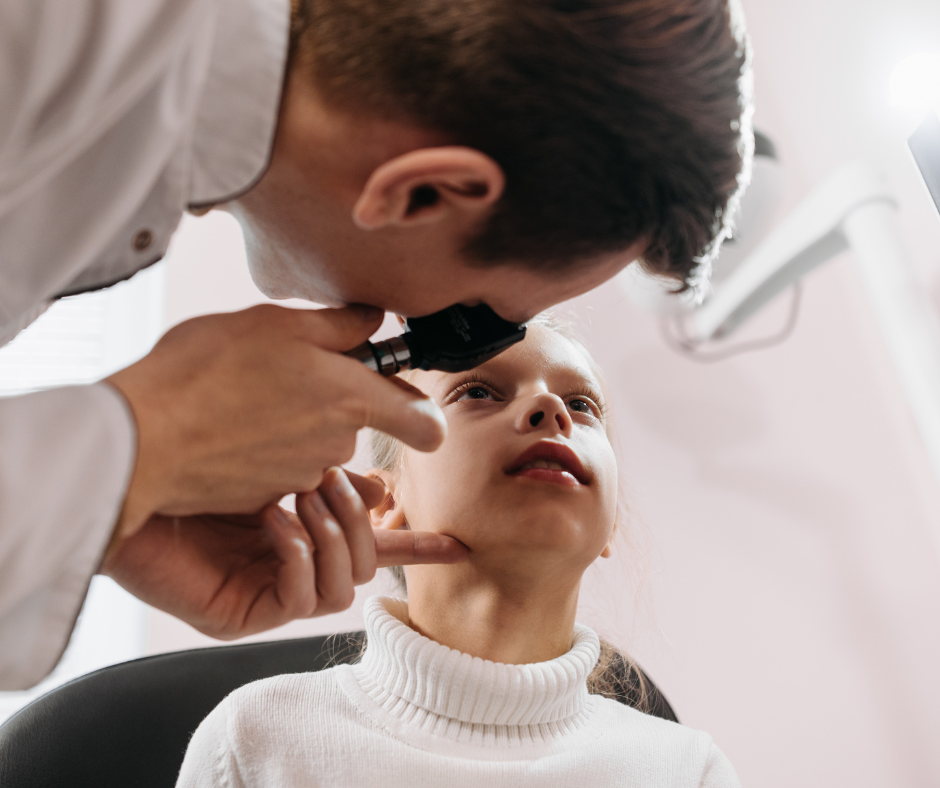
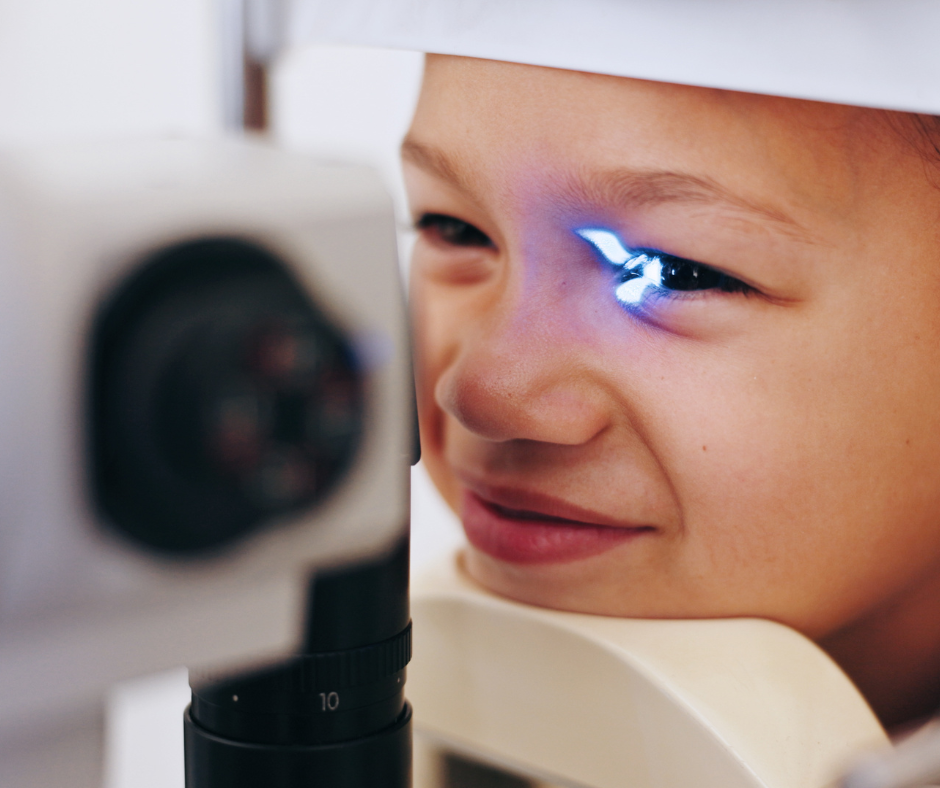
● Poor performance on a vision screening
Some cataracts are small and do not noticeably affect vision. Others may block the visual pathway and interfere with the development of the connection between the eye and the brain.